The Driver Shortage is a Myth: Massive Retention Strategies for 2026
The trucking industry has been talking about a "driver shortage" for 20 years. But the truth is simpler: there isn't a shortage of drivers; there's a shortage of good jobs. In 2026, the carriers that are winning are the ones who treat their drivers like partners, not steering wheel holders.
The Culture Shift: Beyond the Steering Wheel
For decades, mega-carriers treated drivers as disposable. If one quit, they just recruited another student from a CDL mill. But today, the cost of recruiting and onboarding a new driver is over $15,000. For a small fleet, losing one good driver can wipe out a month's profit.
True retention starts with respect. Drivers don't quit companies; they quit bad dispatchers, poor equipment, and being treated like a number.
Compensation: Moving Past Cents-Per-Mile
Traditional Cents-Per-Mile (CPM) pay is becoming a relic of the past. If a driver is stuck at a shipper for 6 hours, they aren't making money. If their truck breaks down, they aren't making money.
The most successful fleets in 2026 are moving toward Percentage Pay or a **Salary + Bonus** model. When a driver gets a percentage of the load, they are incentivized to help you find the best freight. They aren't just driving miles; they are growing a business with you.
Technology that Helps, Not micromanages
Most drivers hate ELDs and cameras because they feel like they’re being watched by Big Brother. Use technology to solve the driver's problems, not just your own.
Home-Time Predictability: Use your dispatch software to track "Home-Time Deficit." If a driver hasn't been home in 14 days, your system should automatically prioritize a load that gets them back to their zip code. At Priority Dispatch, we prioritize driver well-being because a happy driver is a safe driver.
Conclusion: Your Drivers are Your Brand
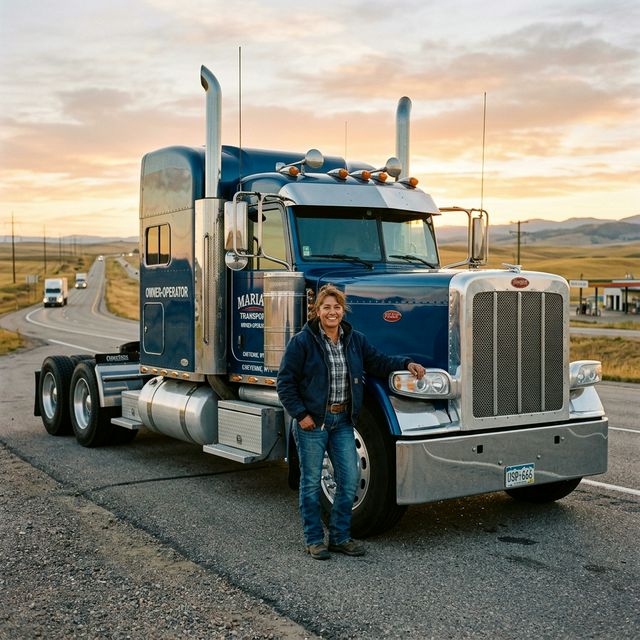
A $250,000 Peterbilt is just a piece of metal without a professional behind the wheel. If you want to grow your fleet in 2026, stop looking for new drivers and start looking for ways to keep the ones you have.
Build a culture of transparency, pay them what they're worth, and get them home when they need to be there. That is the only retention strategy that actually works.
About the Author
Muhammad Faisal Bilal is the Founder & CEO of Priority Dispatch LLC. With expertise in connecting TWIC-certified owner-operators with premium port freight, he helps drivers maximize their earnings through strategic load placement across all 48 states.
Connect on LinkedIn →